
Healthy Cooking:
Cook Well. Eat Well. Live Well.
Healthy cooking is not about making every meal complicated or following a perfect diet. It is about learning simple skills that make nutritious foods easier to prepare, enjoy, and include in your everyday life.
Evidence-Based
Kitchen Skills
At TheBrightPath Foundation, healthy cooking connects directly with Nourish helping you turn nutrition knowledge into practical meals for yourself and your family. Healthy eating starts with healthy choices in the kitchen.
Why Healthy Cooking Matters
Cooking at home gives you more control over what goes into your meals. Healthy cooking does not mean giving up flavor. It means learning how to build flavor and nutrition together.
check_circle When you prepare your own food, you can choose:
The BrightPath Healthy Plate
One of the simplest ways to build a balanced meal is to think about your plate as a combination of different food groups. The Harvard Healthy Eating Plate recommends:
grass ½ Plate Vegetables and Fruits
Fill approximately half your plate with vegetables and fruits. Choose a variety of colors and types.
Examples:
Leafy greens, tomatoes, carrots, peppers, broccoli, cabbage, okra, green beans, cucumbers, eggplant, oranges, berries, melons, mangoes, and other seasonal fruits.
bakery_dining ¼ Plate Whole Grains
Choose whole grains more often.
Brown rice, whole-grain bread, oats, barley, whole-grain pasta.
set_meal ¼ Plate Healthy Protein
The Harvard model also recommends healthy plant oils in moderation and water as the primary beverage.
Choose sources such as: Fish, poultry, beans, lentils, peas, nuts, seeds, and other plant-based protein sources.
The BrightPath Principle
Healthy cooking should fit your lifenot force your life to fit a diet. Your plate doesn't have to look perfect. It will change depending on culture, budget, season, and preferences.
Start With the Ingredients
eco Choose More Vegetables
Instead of changing an entire meal, just add vegetables to what you already prepare.
- Spinach to eggs
- Tomatoes to a sandwich
- Vegetables to rice
- Beans/veg to a stew
- Roasted veg alongside fish/poultry
grain Choose Whole Grains
Whole grains contain more of the grain's natural components. Start with simple swaps.
- Instead of White Rice: Brown rice
- Instead of Refined Bread: Whole-grain bread
- Instead of Refined Pasta: Whole-grain pasta
kebab_dining Healthy Proteins & Fish
Include plant proteins (beans, lentils, nuts) and lean animal proteins (fish, poultry). Try baking, grilling, steaming, or poaching fish with lemon, garlic, and fresh herbs instead of deep frying.
water_drop Healthy Fats
The type of fat matters. Choose unsaturated plant oils like olive or canola oil.
Practical kitchen habit: measure your oil instead of automatically pouring large amounts.
scale Be Mindful of Salt
Too much sodium can contribute to high blood pressure. You can build flavor without relying entirely on salt. Try: Garlic, ginger, onion, pepper, paprika, turmeric, fresh/dried herbs, lemon, lime, and vinegar.
BrightPath kitchen challenge: Try preparing one familiar meal using more herbs, citrus, and aromatics and less added salt.
candlestick_chart Be Mindful of Added Sugar
When cooking at home, you have more control over added sugar. Try using fruit for natural sweetness, choosing unsweetened ingredients, reducing sugar in recipes gradually, and checking labels on packaged ingredients.
Healthy Cooking Methods
How you cook your food can influence the overall meal. Try using a variety of cooking methods.
Baking
Great for fish, chicken, vegetables, whole-grains.
Grilling
Adds flavor without large amounts of added fat.
Steaming
Gentle cooking for vegetables, fish, dumplings.
Roasting
Brings out natural flavors of vegetables.
Meal Preparation & Planning
kitchen The Meal Prep Formula
Healthy cooking becomes easier when some preparation happens ahead of time. Wash/chop vegetables, cook beans/grains, or grill proteins in advance.
checklist Plan Before You Shop
- What meals will I prepare? Choose 3-5 meals.
- What do I already have? Check pantry/freezer.
- What do I need? Create a shopping list.
- What can I prep in advance? Wash, chop, cook.
savings Cooking on a Budget
- Buy seasonal produce (more affordable)
- Use beans and lentils (low cost protein)
- Buy whole foods in practical quantities
- Cook larger portions for leftovers
- Plan meals around ingredients you already have
Make Healthy Food Flavorful
Build Flavor in Layers
You don't need to depend on excessive salt, sugar, or heavy sauces to create flavor. Experiment until you discover combinations you enjoy.
1. Aromatics
Garlic, onion, ginger, scallions.
2. Spices
Paprika, cumin, turmeric, pepper, chili.
3. Herbs
Basil, parsley, cilantro, thyme, rosemary.
4. Acidity
Lemon, lime, vinegar.
5. Texture
Roasted veg, nuts, seeds, fresh herbs.
public Healthy Cooking and Cultural Foods
Healthy cooking does not mean abandoning traditional foods. You can often improve the nutritional balance of a familiar meal by adding more vegetables, including beans/lentils, choosing healthier cooking methods, and adjusting portions.
BrightPath principle: Keep the culture. Improve the balance.
The BrightPath Healthy Cooking Formula
When preparing a meal, ask yourself five questions:
- Where are my vegetables? Try to make them a major part of the meal.
- Where is my fruit? Add fruit when appropriate.
- What is my whole grain? Choose whole grains when practical.
- What is my healthy protein? Fish, poultry, beans, lentils, nuts, or seeds.
- What am I drinking? Make water your default beverage.
safety_check Food Safety Matters
A nutritious meal isn't truly healthy if it is prepared or stored unsafely. Remember to: wash hands, keep raw/ready foods separate, clean surfaces, wash produce, cook to safe temperatures, refrigerate promptly.
Your BrightPath Cooking Goal
Start simple. Cook more often. Learn as you go. You don't have to transform your entire diet overnight. One healthier meal can become one healthier habit.
event_note A Simple Healthy Cooking Challenge
Build Your Plate
Use the BrightPath plate model for one meal.
Add a Vegetable
Add an extra serving of vegetables to a meal you already enjoy.
Try a Whole Grain
Replace one refined grain with a whole-grain option.
Change Method
Try baking, grilling, steaming, or roasting instead of deep-frying.
Build Flavor
Use herbs, spices, garlic, ginger, lemon, or lime.
Prepare Ahead
Prepare ingredients for tomorrow's meal.
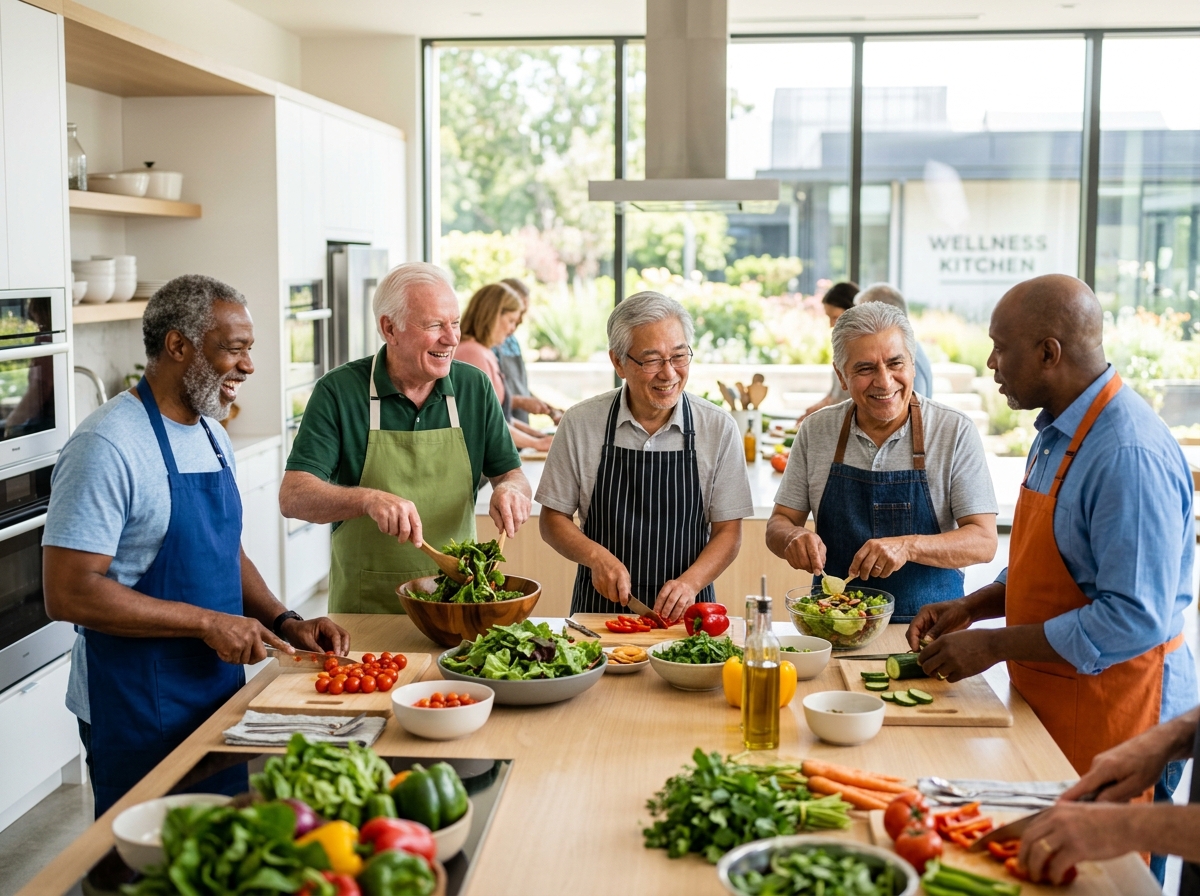
Cook Together
Invite family or friends to participate.
Turn Knowledge Into Meals
Healthy cooking doesn't have to be complicated. Choose well. Cook well. Eat well. Live well.
format_quoteFurther Reading & Research
Verified external sources
Explore these expert resources to deepen your understanding of healthy cooking techniques.
-
favorite AHA open_in_new
Healthy Recipes & Cooking Skills
A large collection of heart-healthy recipes and practical cooking resources covering meal preparation, produce selection, chopping, and other kitchen skills.
Visit recipes.heart.org arrow_forward -
school Harvard Health open_in_new
Healthy Eating Plate
Provides a simple visual framework for building balanced meals around vegetables and fruits, whole grains, healthy protein, and healthy plant oils.
Visit health.harvard.edu arrow_forward
info All links open in a new tab
Medical & Nutrition Disclaimer
TheBrightPath Foundation provides fact-based, evidence-informed educational information from credible organizations and research. This content is intended for general educational purposes and is not medical advice, diagnosis, or treatment. Individual nutritional needs vary based on age, health status, activity level, medications, allergies, dietary restrictions, culture, and other factors. If you have a medical condition or specific nutritional needs, consult a qualified healthcare professional or registered dietitian.