Tai Chi: The Power of Moving Meditation
Originating as an ancient Chinese martial art, tai chi (also known as tai chi chuan) has evolved into a graceful, highly effective mind-body practice focused on health, healing, and longevity. At TheBrightPath Foundation, we advocate for evidence-based interventions, and tai chi stands out as one of the most thoroughly researched practices for both physical and mental well-being.
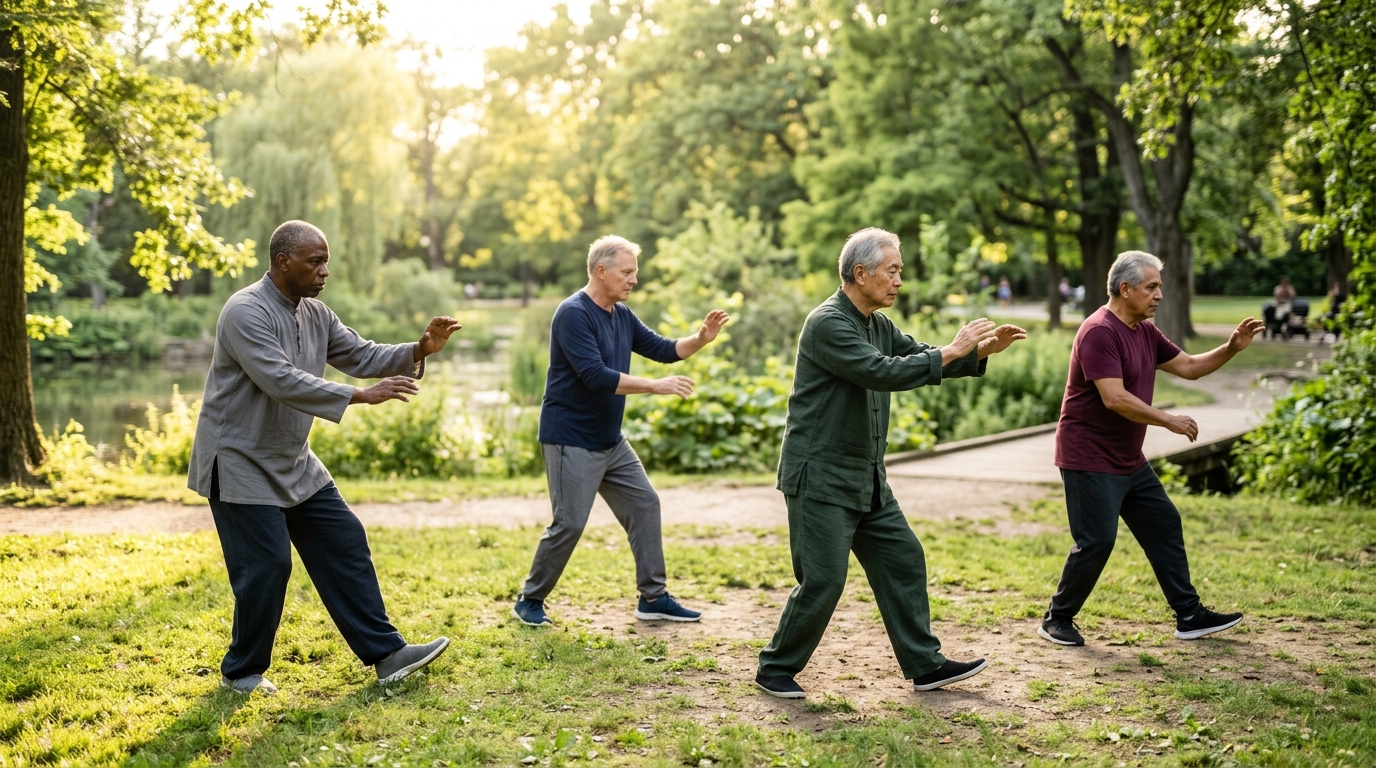
Unlike high-impact workouts, tai chi involves a series of slow, continuous, and gentle movements paired with deep, controlled breathing and a focused, meditative state of mind. It is often described as "meditation in motion." Because the movements are circular and never forced, the muscles remain relaxed, and the joints are never fully extended or bent. This makes it highly accessible for people of all ages and fitness levels.
The Science: Core Health Benefits
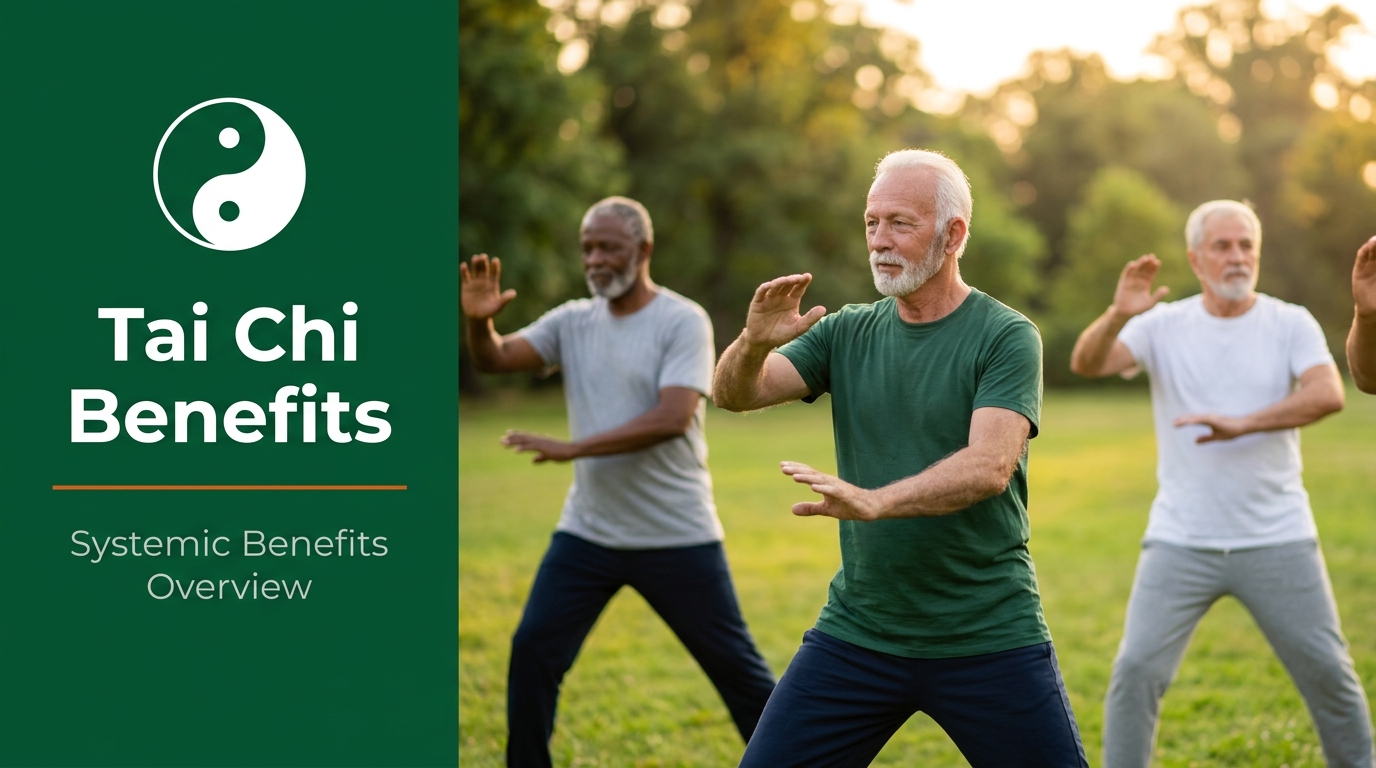
Decades of rigorous research, heavily supported by institutions like the National Center for Complementary and Integrative Health (NCCIH), have demonstrated that tai chi can significantly improve quality of life and manage chronic conditions. Here is what the science says:
1 Unmatched Balance and Fall Prevention
One of the most strongly documented benefits of tai chi is its ability to improve balance and stability. High-certainty evidence shows that regular tai chi practice can reduce the number of falls in older adults by approximately 20%. By improving proprioception (your body's ability to sense its location in space) and lower-body strength, it provides critical protection against life-altering fall injuries. Studies also confirm it safely improves balance in individuals with Parkinson's disease.
2 Chronic Pain Management
Millions suffer from chronic musculoskeletal pain, and tai chi offers a gentle, non-pharmacological pathway to relief. Extensive research indicates that tai chi is highly effective at reducing pain and improving physical function in patients with knee osteoarthritis. Furthermore, clinical trials suggest it helps patients manage fibromyalgia symptoms and cope with chronic low back pain, matching or exceeding the benefits of traditional physical therapy in some studies.
3 Enhances Cognitive Function
As a "moving meditation," tai chi requires memorizing sequences and maintaining deep concentration. This dual-tasking engages the brain and promotes neuroplasticity. Research suggests that older adults who practice tai chi show improvements in executive function, memory, and cognitive flexibility, providing a protective buffer against age-related cognitive decline.
4 Cardiovascular Health & Rehabilitation
While gentle, tai chi provides aerobic benefits comparable to brisk walking when performed consistently. It is particularly valuable for cardiac rehabilitation. NCCIH-supported research has found that practicing tai chi helps promote overall quality of life, reduces blood pressure, and improves mood in people living with heart failure or recovering from cardiovascular events.
5 Reduces Stress and Anxiety
The controlled breathing and mindful focus required in tai chi help activate the parasympathetic nervous system, commonly known as the "rest and digest" state. This lowers cortisol levels (the stress hormone), reduces generalized anxiety, and improves sleep quality, creating a profound sense of psychological well-being.
Essential Tips for Health and Safety
Tai chi is generally considered a very safe practice, but as with any complementary health approach, there are important guidelines to ensure you get the maximum benefit while minimizing any risks:
- medical_information Consult Your Doctor: Always talk to your healthcare provider before starting a new exercise regimen, especially if you have existing health conditions, joint problems, or take medications that make you dizzy.
- warning Do Not Replace Standard Care: Tai chi is a complementary practice. Never use it to replace scientifically proven medical treatments or to postpone seeing a healthcare provider about a medical problem.
- school Learn from an Instructor: While videos are helpful, it is highly recommended to learn the basics from a qualified instructor to ensure proper posture and prevent joint strain.
- accessibility_new Listen to Your Body: You may experience minor muscle soreness after your first few sessions, but you should never feel sharp joint pain. Do not force stretches or deep knee bends beyond your comfort zone.